

At a glance
Lake Kussharo in Teshikaga, Hokkaido, is Japan's largest caldera lake, formed within a stratovolcano crater and spanning approximately 79.3 square kilometers. The lake completely freezes in winter and features natural lakeside hot springs where visitors can dig into the sand to create their own foot baths, attracting migrating swans during colder months.
Photographs
Lake Kussharo
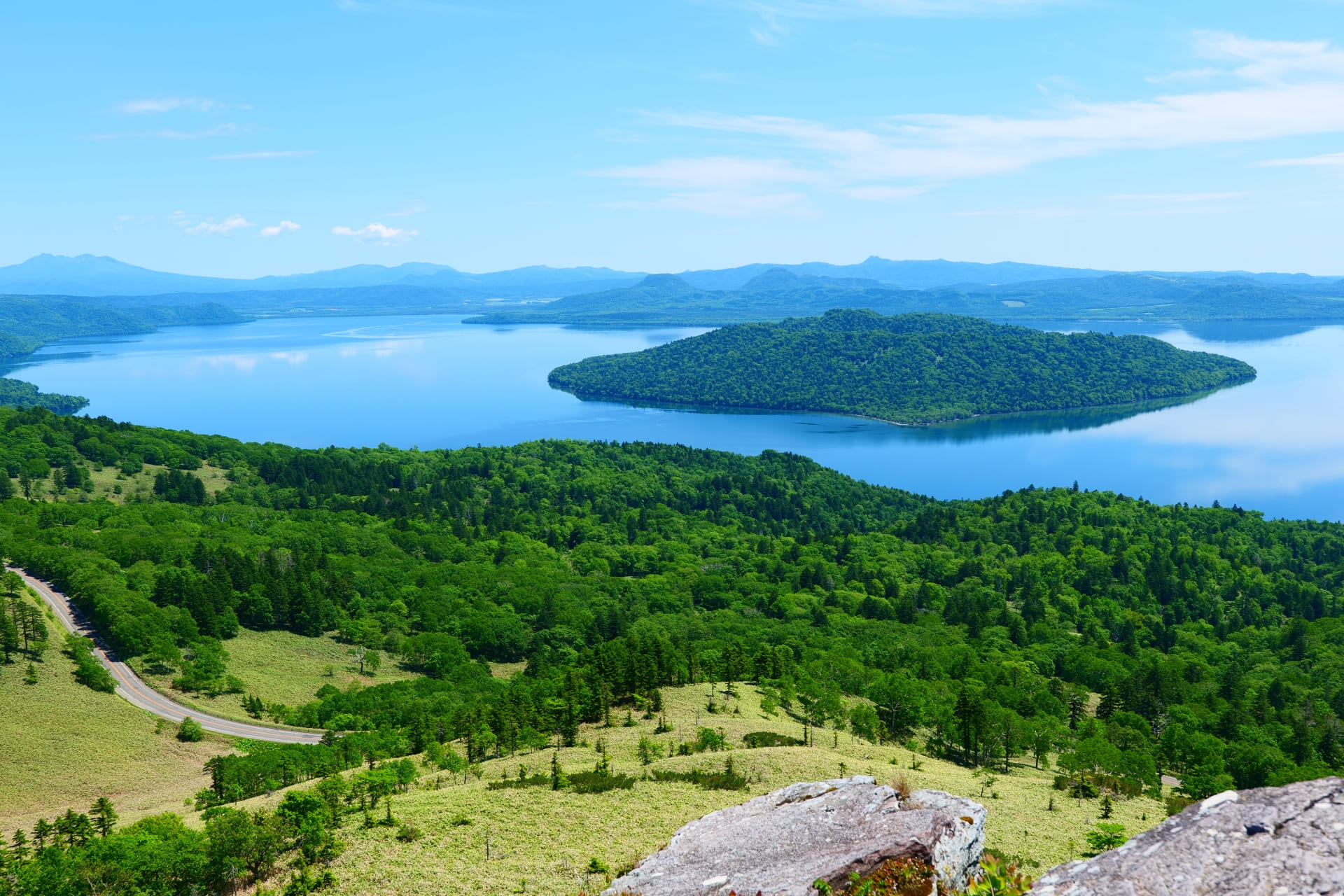
Lake Kussharo is Japan’s largest caldera lake, spanning approximately 79.3 square kilometers with dimensions of 26 kilometers east to west and 20 kilometers north to south. Formed by ancient volcanic activity, this massive freshwater lake sits within Akan-Mashu National Park in eastern Hokkaido and holds the distinction of being Japan’s largest lake to completely freeze over during winter months.


The lake’s volcanic origins create unique geothermal features along its shores, particularly at locations like Sunayu, where visitors can dig into the sand to discover natural hot spring water bubbling up from below. These shoreline hot springs prevent certain areas from freezing in winter, attracting flocks of whooper swans that migrate from Siberia to spend the season in the warm waters. The scenic backdrop of surrounding mountains and untouched nature creates a mystical atmosphere that changes dramatically with the seasons.


Popular activities include canoeing on the expansive waters, fishing for rainbow trout and other species, and enjoying the free open-air baths along the lakeside. The viewpoints from Bihoro Pass and Tsubetsu Pass offer breathtaking panoramas of the caldera lake.
Seasonal and Event Highlights
- Spring: Migratory swans linger until early spring, while fresh greenery begins to cover the caldera landscape.
- Summer: Peak season for canoeing, camping, kayaking, and enjoying the lake’s cobalt-blue waters.
- Autumn: Vibrant autumn foliage transforms the surrounding mountains and is especially scenic from Bihoro and Tsubetsu Passes.
- Winter: The lake freezes over, creating dramatic ice formations and occasional “Omiwatari” (ice ridges), while swans gather at unfrozen hot spring areas.
Before you go
Lake Kussharo is open year-round and there is no admission fee to access the lake, viewpoints, or many of the lakeside areas such as Sunayu. Weather conditions can change rapidly, especially during autumn and winter, so layered clothing is recommended. Public toilets, parking areas, and vending machines are available at major spots including Sunayu and Bihoro Pass. Canoe rentals, campsites, and some seasonal cafés operate around the lake during warmer months. Most walking areas are accessible, though some lakeshore sections are uneven or sandy. Photography is unrestricted, and tripods are generally permitted as long as they do not obstruct other visitors. Bringing insect repellent in summer and sturdy footwear for lakeside exploration is advisable.
Lake Kussharo itself is accessible 24 hours a day throughout the year. Individual facilities such as visitor centers, campsites, rental shops, and cafés operate on seasonal schedules and may close during parts of winter.
When to go
Winter transforms Lake Kussharo into a magical frozen landscape where whooper swans arrive from Siberia, gathering at lakeside hot springs that prevent the shore from freezing. Early mornings in winter offer stunning views of swans against snow-capped mountains, while summer provides excellent conditions for canoeing, fishing for rainbow trout, and enjoying the unique sand baths where hot spring water bubbles up naturally. Visit during weekday mornings for the most serene experience and optimal photography lighting across the lake's vast caldera. The lakeside areas are accessible year-round, though winter visits require proper cold weather preparation as temperatures drop significantly.
Public review summary
Visitors consistently praise the stunning natural beauty and serene atmosphere, particularly enjoying the winter swans that gather near the warm lakeside hot springs. The free sand bath where hot spring water emerges is a unique highlight that delights many guests. Some note the remote location means fewer facilities and older souvenir shops. The lakes vast scale and mountain backdrop create memorable photo opportunities, though winter cold can be intense.
What you'll find here
Location & access
- DirectionsAddress
Teshikaga, Kawakami District, Hokkaido, Japan
- How to get there
By Public Transportation:
From JR Kushiro Station, take the JR Senmo Line to Kawayu-Onsen Station (approximately 90 minutes), then use local buses or taxis to reach Sunayu, Kawayu Onsen, or other lakeside areas. Limited bus services connect major viewpoints and tourist facilities, though schedules vary seasonally. Renting a car from Kushiro, Memanbetsu, or Abashiri is often the most convenient option.
By Car:
Lake Kussharo is approximately 70 minutes from Memanbetsu Airport and about 90 minutes from Kushiro City via National Routes 243 and 391. Bihoro Pass, Sunayu, Wakoto Peninsula, and other scenic areas around the lake offer free or low-cost parking facilities, making self-driving the easiest way to explore the entire caldera region.
Common questions
What is Lake Kussharo and where is it located?
Lake Kussharo is Japan's largest caldera lake, located in Teshikaga Town, Hokkaido, within Akan-Mashu National Park. The lake measures approximately 79.3 square kilometers with a circumference of 57 km. The name derives from the Ainu word 'kutcharo' meaning throat, referring to a lake outlet.
Can I access hot springs at Lake Kussharo?
Yes, Lake Kussharo features unique natural hot springs along the lakeshore. At the sand bath area called Sunayu, visitors can dig about 20cm into the sand to find hot spring water bubbling up. There are also free open-air baths and foot bath areas where you can soak while enjoying lake views.
What wildlife can I see at Lake Kussharo?
During winter, dozens of swans migrate from Siberia to Lake Kussharo, gathering near the hot spring areas where the water doesn't freeze. The swans are accustomed to humans and can be fed with popcorn available at nearby shops for around 150-200 yen. The lake also supports rainbow trout and other fish species.
What activities are available at Lake Kussharo?
Lake Kussharo offers various outdoor activities including canoeing, fishing, and swimming in summer. Fishing targets include rainbow trout over 60cm, Sakhalin taimen, and kokanee salmon. The Wakoto Peninsula provides safe canoe launching points. Hot spring bathing at natural sand baths and foot baths is available year-round.
How much does it cost to visit Lake Kussharo?
Lake Kussharo is free to visit with no admission charge. The natural sand baths, foot baths, and open-air hot springs along the lakeshore are also free to use. Parking lots are available at various points around the lake at no cost. Only optional items like swan feeding popcorn or souvenirs require payment.
Bring this spot to life with a local photographer
Book a vetted local photographer who knows the best light, angles, and timing for this location.