

At a glance
Manshuin Temple, an 8th-century Buddhist sanctuary in Kyoto's Sakyo ward, offers serene gardens and historic architecture. This tranquil monzeki temple showcases traditional dry landscape gardens, the national treasure Yellow Fudoson statue, and peaceful grounds away from tourist crowds.
Photographs
Manshuin Temple
Manshuin Temple, often called the “Little Katsura Imperial Villa”, reflects its imperial lineage through refined architecture and artistry. Many design elements came from the same master craftsmen who worked on the Katsura Imperial Villa during the Edo period, giving the temple a distinct air of courtly elegance. Just a short distance away, the expansive Shugakuin Imperial Villa offers a grander garden scale, while the refined elegance of Katsura Imperial Villa shares deep family and design ties with Manshuin’s own architecture.


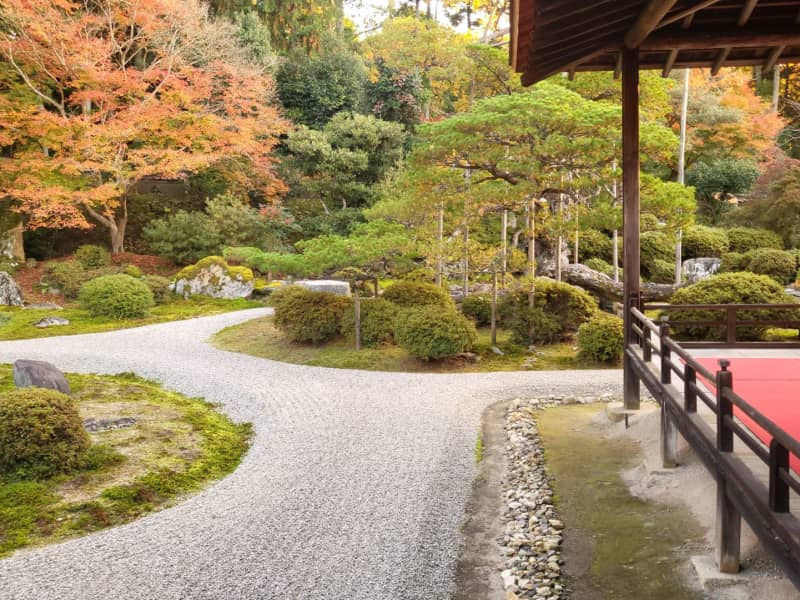
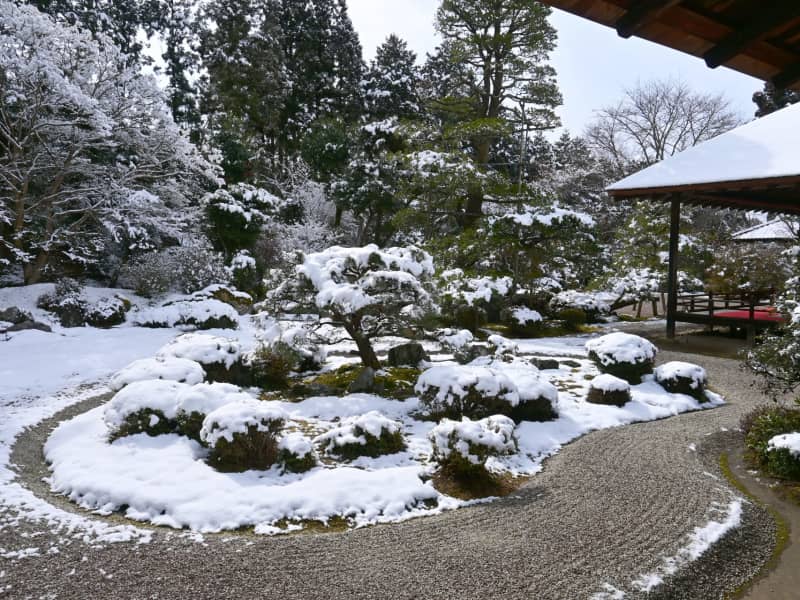
The grounds feature a beautiful karesansui (dry landscape) garden, designated as a nationally important cultural property. Its focal point is the celebrated Kame-no-iwa (Turtle Rock), a natural monument resembling a turtle, set among meticulously raked white gravel and gracefully shaped pine trees that invite quiet reflection.

Inside, Manshuin preserves cultural treasures such as the National Treasure Yellow Fudō Myōō statue and exquisite fusuma sliding-door paintings by the Kano school. The peaceful location, slightly removed from Kyoto’s busiest sightseeing routes, allows for an unhurried visit and an atmosphere of genuine tranquility. The recently restored Shinden Hall and other historically significant rooms display fine details, including the famed hassōdoko (eight-sided alcove) decorative beam, a masterpiece of traditional craftsmanship.
Before you go
The entrance fee is ¥800 for adults. Wear comfortable walking shoes, some gentle uphill paths await if approaching from the station. Inside, you’ll be entering delicate shoin-style rooms—remove your shoes and tread quietly. Photography is generally allowed in garden views and common spaces, but check for restricted areas. No worries about crowds—they’re rare here, especially compared to central Kyoto spots.
Open daily year-round from 9:00 AM to 5:00 PM, with last entry at 4:30 PM.
When to go
Manshuin Temple is particularly stunning during autumn (late November) when its maple trees burst into brilliant crimson hues. Spring brings vibrant Kirishima azaleas in late April, creating bands of deep red against the temple's historic architecture. For the most serene experience, visit early on weekday mornings when the gardens are peacefully quiet and perfect for contemplation. The soft morning light enhances the beauty of the karesansui garden, while afternoon sun creates harsh shadows that can diminish its subtle details.
Average crowd levels throughout the day, based on historical data.
Public review summary
Visitors highlight the peaceful atmosphere and authentic temple experience away from tourist crowds. Reviews consistently praise the immaculate gardens and architectural details, particularly during autumn foliage season. The authentic cultural experience and tranquil environment receive high marks, though some note the uphill walk to reach the temple can be challenging. Access limitations to certain garden areas and distance from public transport are mentioned as minor drawbacks.
What you'll find here
Location & access
- DirectionsAddress
42 Ichijoji Takenouchicho, Sakyo Ward, Kyoto, 606-8134, Japan
- How to get there
By Public Transport: One easy route: from Kyoto Station, take JR Nara Line → Keihan Main Line to Demachiyanagi → Eizan Railway to Shugakuin Station → about 15–20 minutes on foot. Another option: bus #5 from Kyoto Station to Ichijoji Shimizucho, then a 20-minute walk through peaceful streets.
By Car: If you’re driving, there’s free parking available for about 50 regular vehicles. The temple is nestled in Ichijoji-Takenouchi in Sakyo‑ku, Kyoto.
Common questions
Is Manshuin Temple accessible by public transportation?
The temple is a 20-minute walk from Shugakuin Station. While there is no direct public transportation to the temple entrance, visitors can access it via a walking path through Sagimori Shrine grounds from the station.
What are the must-see features at Manshuin Temple?
Key highlights include the national treasure Yellow Fudoson statue, the Karesansui dry landscape garden featuring the Kibune stone (a natural monument), and the Kano school fusuma paintings. The garden's white sand patterns and carefully maintained pine trees create a serene atmosphere.
Is photography allowed at Manshuin Temple?
Photography is restricted at Manshuin Temple. Visitors are only permitted to take photos in designated areas of the garden. Photography is strictly prohibited inside the temple buildings and of certain cultural artifacts.
What is the best season to visit Manshuin Temple?
Autumn is particularly spectacular with vibrant foliage colors, especially in late November. Spring offers beautiful Kirishima azalea blooms in late April, creating crimson bands throughout the temple grounds.
Is there parking available at the temple?
Yes, Manshuin Temple offers a free, spacious parking lot for visitors. The lot is located near the entrance, with a slight uphill walk to the reception desk. The parking area can accommodate large vehicles, though access roads are narrow.

Bring this spot to life with a local photographer
Book a vetted local photographer who knows the best light, angles, and timing for this location.