

At a glance
Omotesando Hills is a multi-level luxury shopping complex in Shibuya featuring a distinctive triangular floor plan and spiral architecture designed by renowned architect Tadao Ando. The mall houses over 130 high-end boutiques and restaurants across six floors, centered around an impressive atrium that extends underground. During the winter season, the space transforms with elaborate Christmas tree installations and illumination displays that attract visitors year-round.
Photographs
Omotesando Hills
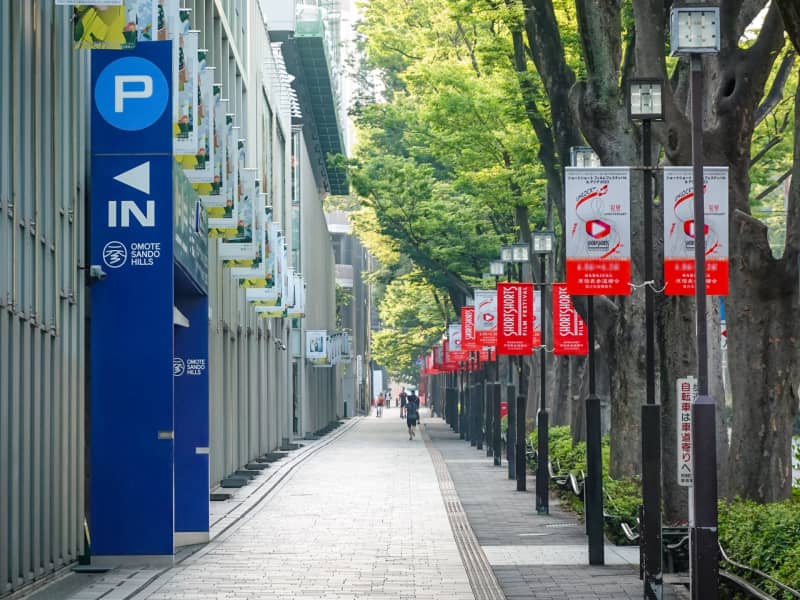
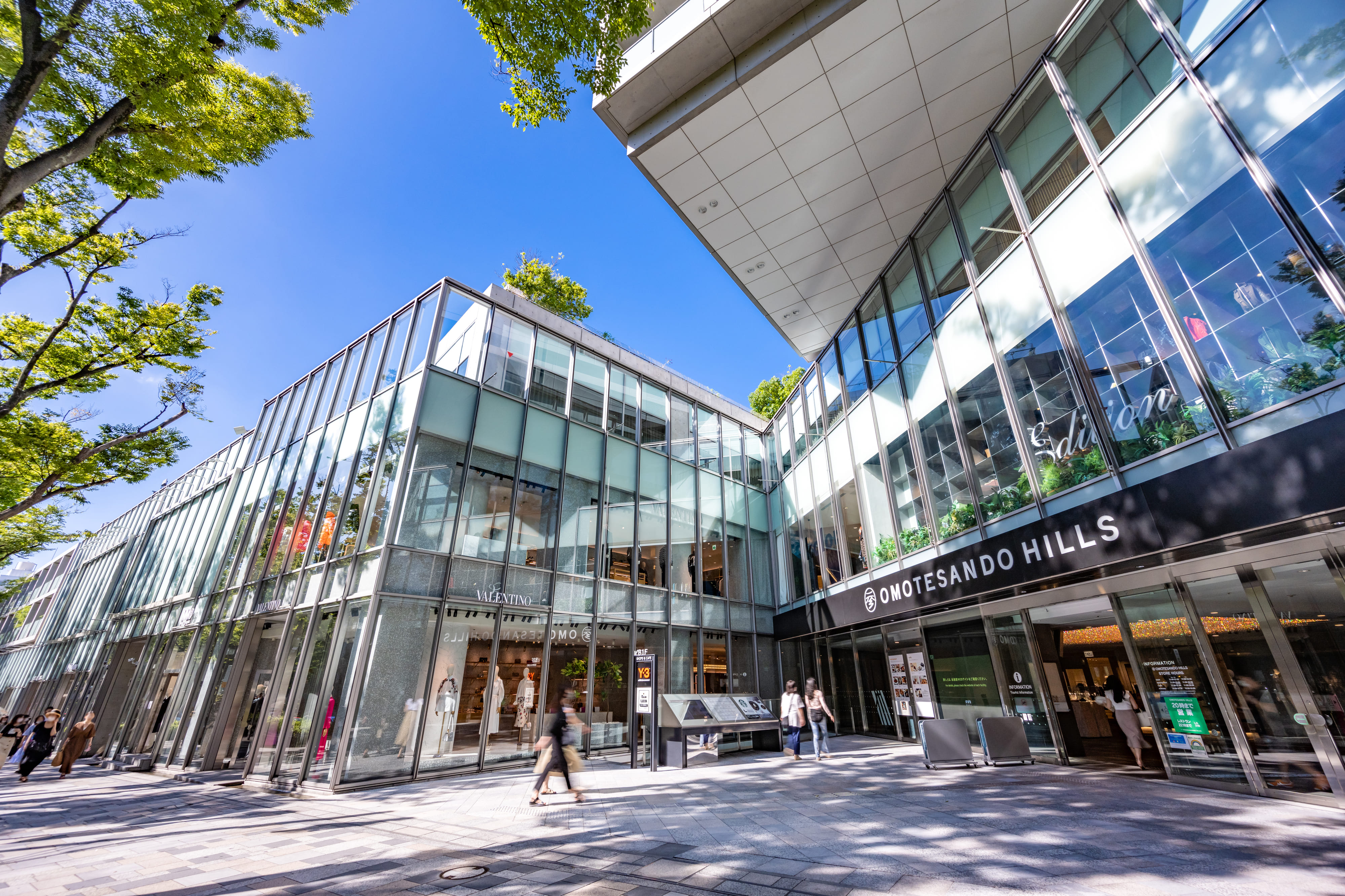
Omotesando Hills is one of those Tokyo buildings that’s worth visiting even if you don’t plan to buy a single thing. Designed by Tadao Ando and opened in 2006, it was built to respect Omotesando’s famous zelkova streetscape, so the exterior stays intentionally low and calm rather than trying to dominate the avenue. A lot of the volume is pushed underground, which makes the inside feel surprisingly spacious compared to what you see from the street.


The signature experience is the 700m Spiral Slope that quietly pulls you through the building like a gentle city walk, echoing the gradient of Omotesando itself. It wraps a tall central atrium, so you’re always aware of the vertical space and the shifting light above, and you can drift between levels without constantly hunting for escalators. It’s shopping architecture, sure, but it also feels like Ando’s idea of a public “inner street,” with clean concrete, crisp edges, and that slow, deliberate pacing he’s known for.
What’s easy to miss is the site’s backstory. This was a redevelopment of the historic Dojunkai Aoyama Apartments, and Omotesando Hills keeps that memory alive through the Dojunkan section and other preserved references woven into the complex. That blend of new and old gives the place a slightly cultural, gallery-adjacent mood, especially on quieter weekdays when you can really notice the materials and proportions instead of just the storefronts.


Seasonally, it’s at its most photogenic around the atrium during the holiday period, when the main staircase becomes the stage for a large Christmas tree installation and timed light performances. If you’re photographing, try starting from the upper levels and shooting downward to catch the repeating lines of balconies and the slope’s curve; late afternoon into evening is great when the interior lighting starts to glow but the skylight still has a bit of color.
Before you go
Entry to Omotesando Hills is free, and you can walk through the building without shopping. The complex is fully wheelchair accessible with elevators, barrier-free restrooms, and wide sloped walkways. Free Wi-Fi is available throughout. There are clean public toilets, nursing rooms, and baby-changing facilities. Tripods are generally discouraged inside due to foot traffic, especially on weekends. Wear comfortable shoes since the spiral slope involves a fair amount of walking rather than stairs.
The complex generally follows standard Japanese holiday schedules and remains open on national holidays, though individual shops and restaurants may have slightly adjusted hours, especially during New Year and year-end periods.
When to go
Winter transforms Omotesando Hills into a magical destination, with spectacular Christmas illuminations featuring a towering crystal tree in the central atrium from November through December. Spring brings beautiful views along the surrounding zelkova-lined streets, while autumn offers comfortable shopping weather and seasonal fashion collections arrive in stores. Weekday mornings right at opening time provide the most peaceful shopping experience, with significantly fewer crowds compared to afternoons. Visit Tuesday through Thursday between 11 AM and 1 PM for comfortable browsing through the spiral walkways and boutiques without navigating through heavy foot traffic. Weekend afternoons see the heaviest congestion, particularly when special events or seasonal displays draw large crowds. The six-story atrium and sloping corridors become packed with visitors, making it difficult to move freely between floors and shops during these peak periods.
Average crowd levels throughout the day, based on historical data.
Public review summary
Visitors consistently praise the striking architectural design by Tadao Ando, particularly the spiral walkway and distinctive atrium space. The seasonal Christmas tree installations receive enthusiastic acclaim for their beauty and craftsmanship. While shoppers appreciate the curated selection of luxury and Japanese designer brands, some note the complex layout can be disorienting and stores lean toward high-end pricing. Window shopping proves popular.
What you'll find here
Location & access
- DirectionsAddress
4 Chome-12-10 Jingumae, Shibuya, Tokyo 150-0001, Japan
- How to get there
By Public Transportation:
Omotesando Hills is directly accessible from Omotesando Station. Use exits connected to the Ginza Line, Hanzomon Line, or Chiyoda Line, then walk a short distance along Omotesando Avenue.
By Car:
There is paid parking available within the complex, but spaces are limited and fill quickly on weekends. Public transportation is strongly recommended.
Common questions
What makes Omotesando Hills architecturally unique?
Omotesando Hills features a distinctive design by renowned architect Tadao Ando, completed in 2006. The interior showcases a unique triangular floor plan with a spiral corridor system connecting six floors around a central atrium. The building appears as a three-story structure from outside but extends deep underground, creating an impressive multi-level shopping experience.
Is Omotesando Hills wheelchair accessible?
Yes, Omotesando Hills offers comprehensive wheelchair accessibility including accessible entrances, restrooms, and parking facilities. The building has elevators connecting all floors, making it convenient for visitors with mobility needs. Additional family-friendly amenities include changing tables and a nursing room for parents with young children.
What payment methods are accepted at Omotesando Hills?
Omotesando Hills accepts a wide range of payment options including major credit cards, debit cards, and NFC mobile payments. Japanese digital payment methods like PayPay, Rakuten Pay, au PAY, dBarai, and Transit IC cards are also accepted throughout the facility, making transactions convenient for both international and domestic visitors.
What type of shopping experience can I expect?
Omotesando Hills houses over 130 high-end stores featuring luxury brands like Valentino, Chloé, and Japanese designer labels including Yohji Yamamoto. The mall focuses on premium fashion, accessories, and lifestyle goods. The shopping experience combines upscale retail with architectural beauty, particularly stunning during the annual Christmas tree illumination displays in the central atrium.
How far is Omotesando Hills from major Tokyo stations?
Omotesando Hills is approximately 2 minutes walking from Exit A2 of Omotesando Station, served by the Ginza, Chiyoda, and Hanzomon subway lines. From Ginza, the shortest travel time is 13 minutes by train. The location on tree-lined Omotesando Street makes it easily accessible and ideal for combining with visits to nearby Harajuku and Meiji Shrine.
Bring this spot to life with a local photographer
Book a vetted local photographer who knows the best light, angles, and timing for this location.