
At a glance
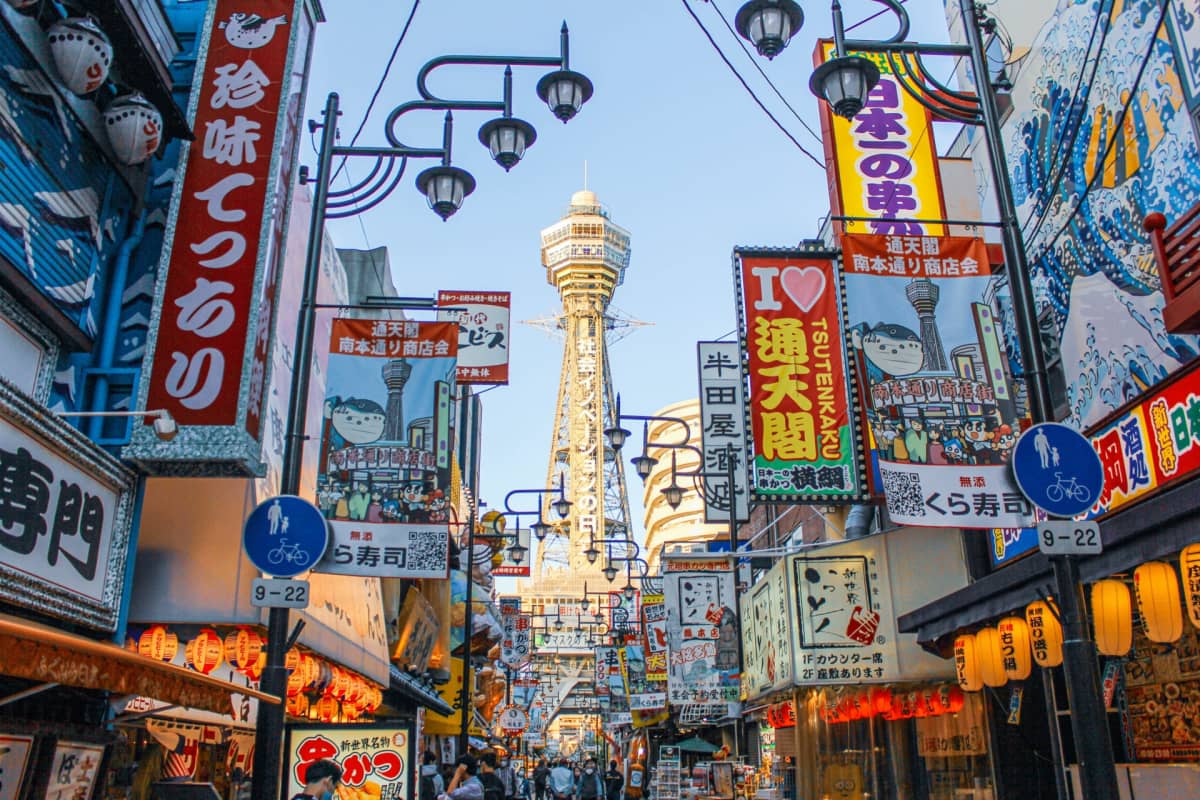
Shinsekai is a vibrant retro district in Osaka featuring the iconic 103-meter Tsutenkaku Tower, traditional kushikatsu restaurants, and nostalgic entertainment. Created in 1912, this 24-hour neighborhood captivates visitors with its neon-lit streets, local eateries, and distinctly retro Japanese atmosphere.
Photographs
Shinsekai Neighbourhood
Shinsekai began in 1912 on the former site of the Fifth National Industrial Exposition and even a wartime army encampment. It was envisioned as “Osaka’s new landmark,” a place where fresh ideas met modern architecture, built around an amusement park called Luna Park and anchored by the first Tsutenkaku tower in its immediate Imperial-era style.

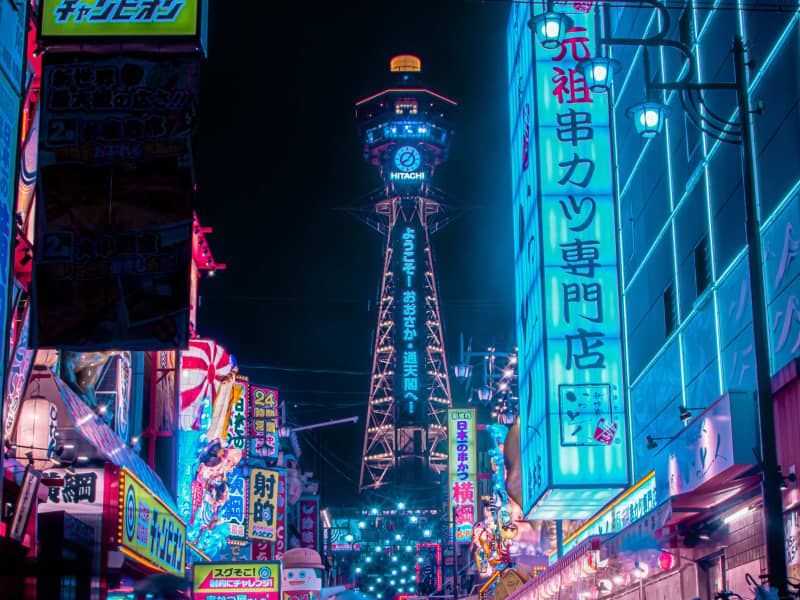
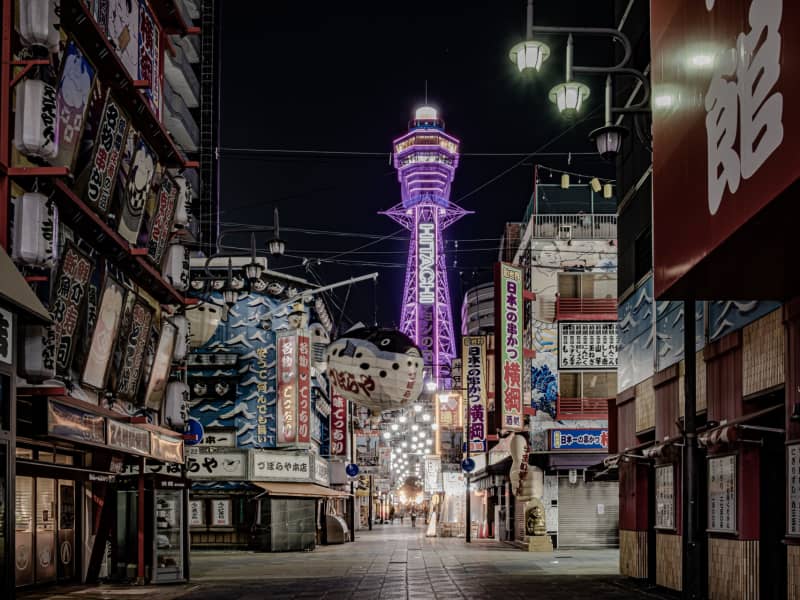
As the decades rolled on, the original Luna Park closed, the first Tsutenkaku was lost to fire, yet the area never lost its spirit. In fact, in the postwar revival, people embraced its old-school charm so fully that today it shines as a beacon of Showa-era nostalgia, a time capsule where bright neon signs mix with familiar, comforting street food and neighborhood laughs.
At the literal and emotional center of this world stands Tsutenkaku Tower, the “tower that connects to heaven,” a name given by scholar Fujisawa Nangaku. The postwar second tower, completed in 1956 and reaching around 103 meters (or 108 meters including its antenna), was designed by celebrated architect Naitō Tachū, the same mind behind Tokyo Tower and Nagoya TV Tower. It’s a beloved symbol of resilience and rediscovery.


Meandering through the neighborhood, you’ll discover Janjan Yokocho, officially Nanyō-dōri Shopping Street, stretching only about 180 meters long and 2.5 meters wide, yet overflowing with character. After the war, shopkeepers called out with shamisen and drum rhythms, a lively “jan-jan” sound, that gave the alley its memorable nickname. Today, that compact arcade is brimmed with kushikatsu stalls (with the famous “don’t double dip your sauce” warning), udon shops, casual sushi bars, and even shogi and go clubs where locals sit and play, sometimes within view of passersby.
There’s a real sense of downtown authenticity here. Shinsekai is not pristine or shiny, but honest. It’s the kind of place where neighborhoods stick around through the hard times, and where modern travelers still find something true and comforting in the rustle of lantern-lit alleys and the smell of fried skewers.
It’s no surprise that this area has inspired countless films and dramas. It wears its history proudly, without polish, a district where both old locals and curious visitors feel welcome, even as the neon glows brighter every evening.
Before you go
The Shinsekai district is free to explore, but most kushikatsu stalls and small shops are cash only, so bring yen. Entry to Tsutenkaku Tower costs around ¥900-1,500 for adults, with discounts for children and extra tickets are needed for the open-air deck, glass floor, or slide. The area is lively at night under neon lights, though mornings are calmer and less crowded. Tsutenkaku offers elevators, restrooms, and some English signage, while smaller alleys may not. Comfortable shoes are best for exploring the narrow streets, and a translation app can be helpful.
The Shinsekai area is lively throughout the year—open daily, even on holidays. The tower stays open from around 10 am until about 8 pm, with last entry near 7:30 pm. Shops, food stalls, and arcades nearby often open earlier and stay open well into the evening, especially on weekends and festival days.
When to go
Spring and autumn offer the most comfortable temperatures for exploring Shinsekai's vibrant streets and outdoor food stalls. The district truly comes alive after sunset when thousands of neon lights create a mesmerizing atmosphere against the iconic Tsutenkaku Tower. Evening visits between 6 PM and 9 PM provide the best atmosphere when the neon signs are illuminated and restaurants are bustling with activity. Early afternoons are ideal for a more relaxed exploration of the retro arcades and souvenir shops.
Public review summary
Visitors praise the vibrant atmosphere and retro charm, especially highlighting the colorful neon lights and authentic local food scene. The kushikatsu restaurants and arcade games receive particular appreciation. While many enjoy the nostalgic ambiance, some note issues with crowds, cigarette smoke, and tourist-oriented pricing. Daytime visits are reported as quieter, with mixed opinions on whether this enhances or detracts from the experience.
What you'll find here
Location & access
- DirectionsAddress
2 Chome Ebisuhigashi, Naniwa Ward, Osaka, 556-0002, Japan
- How to get there
By Public Transportation: Hop off at Dobutsuen-mae Station on the Midosuji Line and walk about 10 minutes to find yourself at the heart of Shinsekai. Alternatively, Ebisucho Station (Sakaisuji Line) is just a 3-minute walk from Tsutenkaku.
By Car: Driving is possible but not ideal, narrow streets, limited parking, and a truly immersive neighborhood that’s best experienced on foot. Nearby paid parking is available, but strolling in makes more sense.
Common questions
What kind of food specialties can I find in Shinsekai?
Shinsekai is famous for kushikatsu (deep-fried skewered food), takoyaki (octopus balls), and other local specialties. You'll find numerous restaurants serving teppanyaki, grilled squid, horumonyaki, and traditional sushi. Many establishments are open late or 24 hours.
Is Shinsekai wheelchair accessible?
Yes, Shinsekai features wheelchair accessible entrances and is designed to accommodate visitors with mobility needs. The main streets and shopping areas are equipped with proper accessibility features.
What is the iconic tower in Shinsekai?
The Tsutenkaku Tower stands 103 meters tall and serves as Shinsekai's most recognizable landmark. While visiting the tower's observation deck involves waiting times, its illuminated presence creates a stunning backdrop for the neighborhood, especially at night.
What entertainment options are available besides restaurants?
Shinsekai offers various entertainment including retro arcade games, shooting galleries, and traditional Japanese activities like archery and ninja shuriken throwing. The area is particularly known for its nostalgic gaming venues and street entertainment.
What's the best way to experience Shinsekai's atmosphere?
Visit in the evening when the neighborhood comes alive with vibrant neon lights and bustling street activity. The area is known for its retro charm, colorful signage, and lively atmosphere, making it perfect for photography and experiencing authentic Osaka culture.

Bring this spot to life with a local photographer
Book a vetted local photographer who knows the best light, angles, and timing for this location.