

At a glance
Yatsuyama Bridge in Tokyo is a historic railway overpass connecting multiple train lines near Shinagawa Station. As Japan's first railway overpass built in 1872, it offers unique views of multiple train lines including the Shinkansen, Yamanote Line, and Keikyu Line, making it popular among train enthusiasts and photographers.
Photographs
Yatsuyama Bridge
Yatsuyama Bridge (八ツ山橋) is a deceptively modest overpass in Tokyo’s Shinagawa ward that holds outsized historical and cultural importance. Located just south of Shinagawa Station, the site is notable as the location of Japan’s first railway overpass, built in 1872, coinciding with the launch of the country’s first railway line between Shimbashi and Yokohama. Although the current bridge dates to 1985, the location remains a symbolic threshold in Tokyo’s transit history and urban expansion.

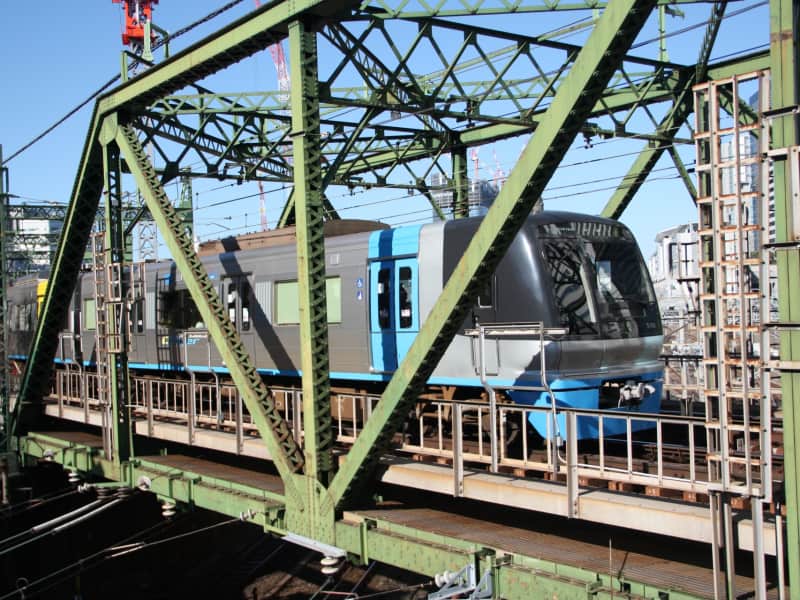
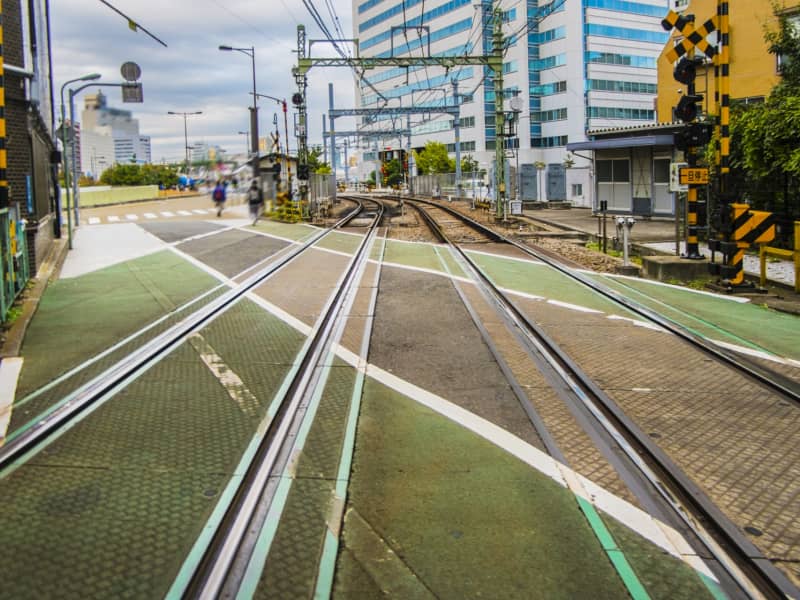
The bridge stands at a historically strategic point—marking the entrance to Shinagawa-shuku (品川宿), the first post town on the old Tokaido (東海道) route that once connected Edo and Kyoto. The name “Yatsuyama,” meaning “eight hills,” references the undulating landscape that once defined the area before extensive modernization. Even as the topography has been flattened and built over, the bridge serves as a lasting cultural waypoint between old and new Tokyo. It is also frequently featured in Japanese popular media, most famously as one of the many landmarks toppled by Godzilla in several classic films—an unusual distinction that adds an element of myth to its legacy.
Architecturally, the bridge itself is unassuming, but its value lies in its positioning. It spans over an intricate multi-layered nexus of train lines—including the Yamanote, Keihin-Tohoku, Tokaido, Yokosuka, and Tokaido Shinkansen—with the Keikyu Line crossing nearby at grade. This creates a unique and visually dramatic rail junction, with constant activity that fascinates railfans and photographers. The nearby “akazu no fumikiri” (開かずの踏切)—an infamously long-closed level crossing—adds to the area's distinctive rail-oriented character and urban mythology.
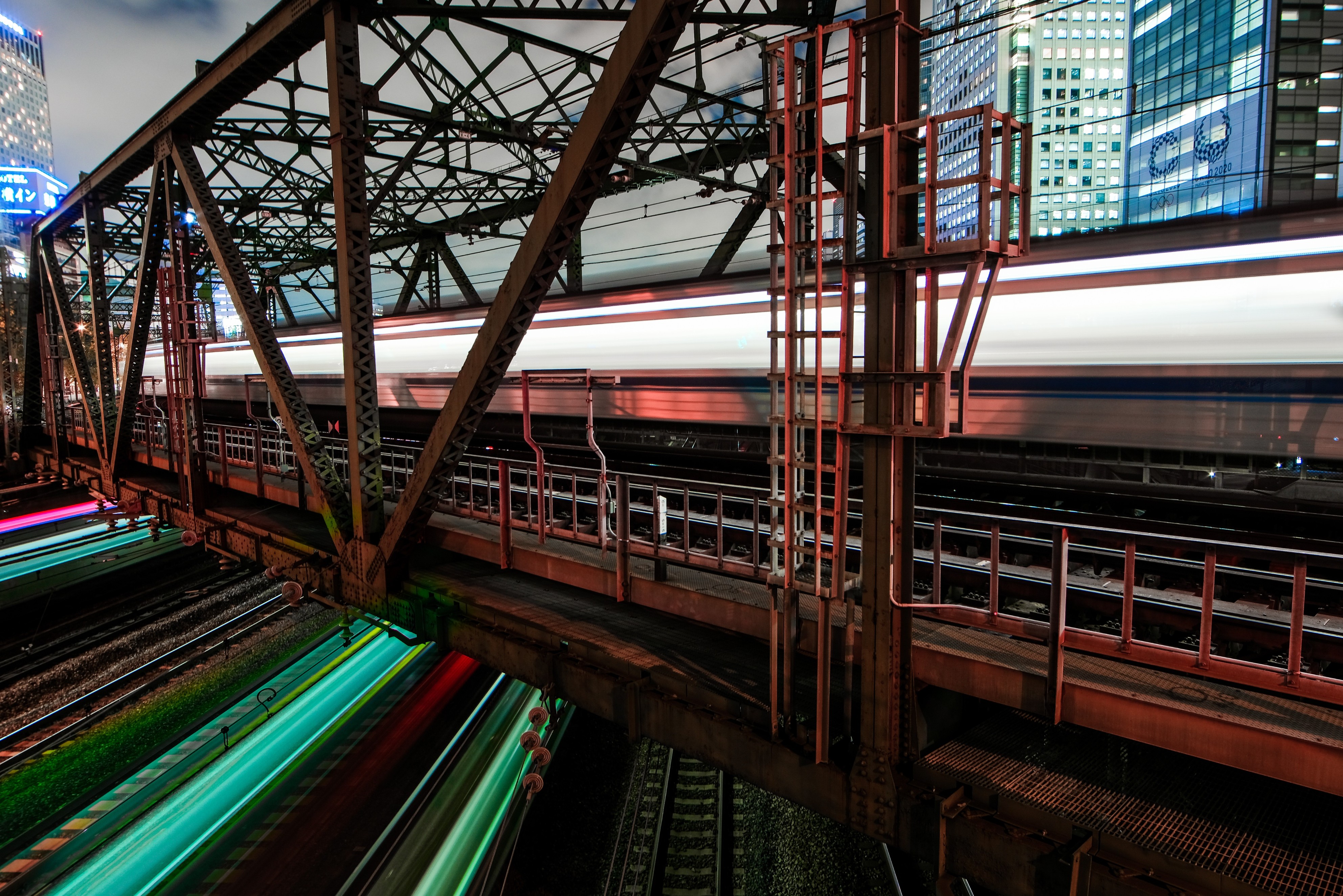
For photographers and train enthusiasts, Yatsuyama Bridge is a premier urban observation point. The elevated view offers a rare chance to see both local commuter trains and sleek shinkansen cutting across Tokyo in coordinated chaos. The S-curve of the Keikyu Line is especially photogenic, providing strong compositional lines for action shots. One of the most compelling aspects of this bridge is its vertical rail layout: a separate line running above a cluster of lines below. This setup allows photographers to capture light trails approaching from two directions simultaneously, resulting in especially dynamic night photography. The area is family-friendly, often visited by parents with young children fascinated by the passing trains, as reflected in local blogs and online parenting communities.


Despite its infrastructural purpose, the bridge’s ambiance is layered—humming with the energy of transit, commerce, and legacy. During events like the Hakone Ekiden (箱根駅伝), one of Japan’s most famous long-distance relay races, runners pass nearby on the Shin-Yatsuyama Bridge, making the location a fleeting yet symbolic stage in national sporting culture. A preserved stone pier from the earlier bridge stands quietly at one end, a subtle but powerful link to its Meiji-era origins.
Photography is best during early morning or late afternoon, when the natural light enhances both motion and metallic textures. Nighttime visits are ideal for long exposure shots, particularly from the center of the bridge where you can align light trails from both upper and lower tracks. While handheld shots are easiest due to the low railing, tripod use should be discreet and mindful, especially during commuter rush hours when the bridge can become crowded. Early mornings offer quieter, contemplative moments for those looking to absorb the area’s layered history and dynamic present.
Before you go
The bridge is open at all hours but always be mindful of local pedestrians and commuters.
Open 24/7, all year round — no holiday closures.
When to go
Spring and fall offer the best photography conditions for train enthusiasts, with clear skies and comfortable temperatures. The winter months provide a unique opportunity to witness the famous Hakone Ekiden runners crossing the bridge during the New Year period. Early mornings between 6 AM and 8 AM offer prime viewing of rush hour train traffic, while mid-afternoon tends to be quieter for a more relaxed experience. The bridge provides excellent vantage points throughout the day for train spotting and photography.
Average crowd levels throughout the day, based on historical data.
Public review summary
Visitors praise the dynamic train-watching opportunities, with multiple rail lines visible simultaneously. Train enthusiasts appreciate the historic bridges architecture and unique S-curve track layout. Common concerns include long wait times at the railroad crossing and occasional overcrowding during peak hours. Parents note the need for close supervision of children due to proximity to tracks. The upcoming elevation project by 2029 adds urgency to seeing the current historic configuration.
What you'll find here
Location & access
- DirectionsAddress
Japan, 〒140-0001 Tokyo, 港区24
- How to get there
By Public Transport: From Shinagawa Station (Takanawa Exit), walk south along Daiichikeihin Avenue for about 5–10 minutes. Alternatively, from Kita-Shinagawa Station on the Keikyu Main Line, the bridge is just 10 minutes on foot.
Common questions
What makes Yatsuyama Bridge famous for train enthusiasts?
The bridge offers unique views of multiple train lines including the Yamanote Line, Keihin Tohoku Line, Tokaido Line, Yokosuka Line, and Tokaido Shinkansen. The Keikyu Line makes a distinctive S-shaped curve nearby, making it a popular spot for railway photography.
Is the bridge historically significant?
Yes, originally built in 1872, it was Japan's first overpass creating a grade-separated intersection between the Tokaido road and railway. The current bridge, completed in 1985, is the fourth version and marks the entrance to the historic Shinagawa-juku post station.
Will the bridge remain in its current form?
The bridge is scheduled for elevation work by 2029, particularly affecting the Keikyu Line crossing. This construction project aims to address the notorious 'railroad crossing that never opens' issue that currently causes significant wait times.
Can I watch both JR trains and Shinkansen from here?
Yes, visitors can observe multiple train types including regular JR lines below and the Shinkansen. The bridge's unique position allows viewers to see trains at different levels, making it especially popular with families and train enthusiasts.
Is this bridge connected to any cultural events?
The bridge serves as a significant point along the Hakone Ekiden route. It also has connections to popular culture, having appeared in several films including Godzilla, where it was featured as one of the monster's first landing points.
Bring this spot to life with a local photographer
Book a vetted local photographer who knows the best light, angles, and timing for this location.