

At a glance
Zao Onsen Ski Resort in Yamagata Prefecture offers extensive terrain for all skill levels across multiple connected valleys, featuring powder snow, cable cars, and ropeways to access the slopes. The resort is particularly renowned for its juhyo (snow monsters) – frost-covered trees creating spectacular winter scenery – and proximity to traditional hot springs in the historic Zao Onsen village, where visitors can relax after skiing in sulfurous thermal baths.
Photographs
Zao Onsen Ski Resort
Zao Onsen Ski Resort stands as one of Tohoku's premier winter destinations, combining extensive ski terrain with natural hot springs. The resort features diverse slopes suitable for all skill levels, accessed by multiple ropeways, gondolas, and over 28-32 lifts spanning several interconnected valleys. Visitors can explore varied terrain from gentle beginner runs to challenging advanced courses, with the famous Juhyogen Course and Yokokura Wall attracting experienced skiers.


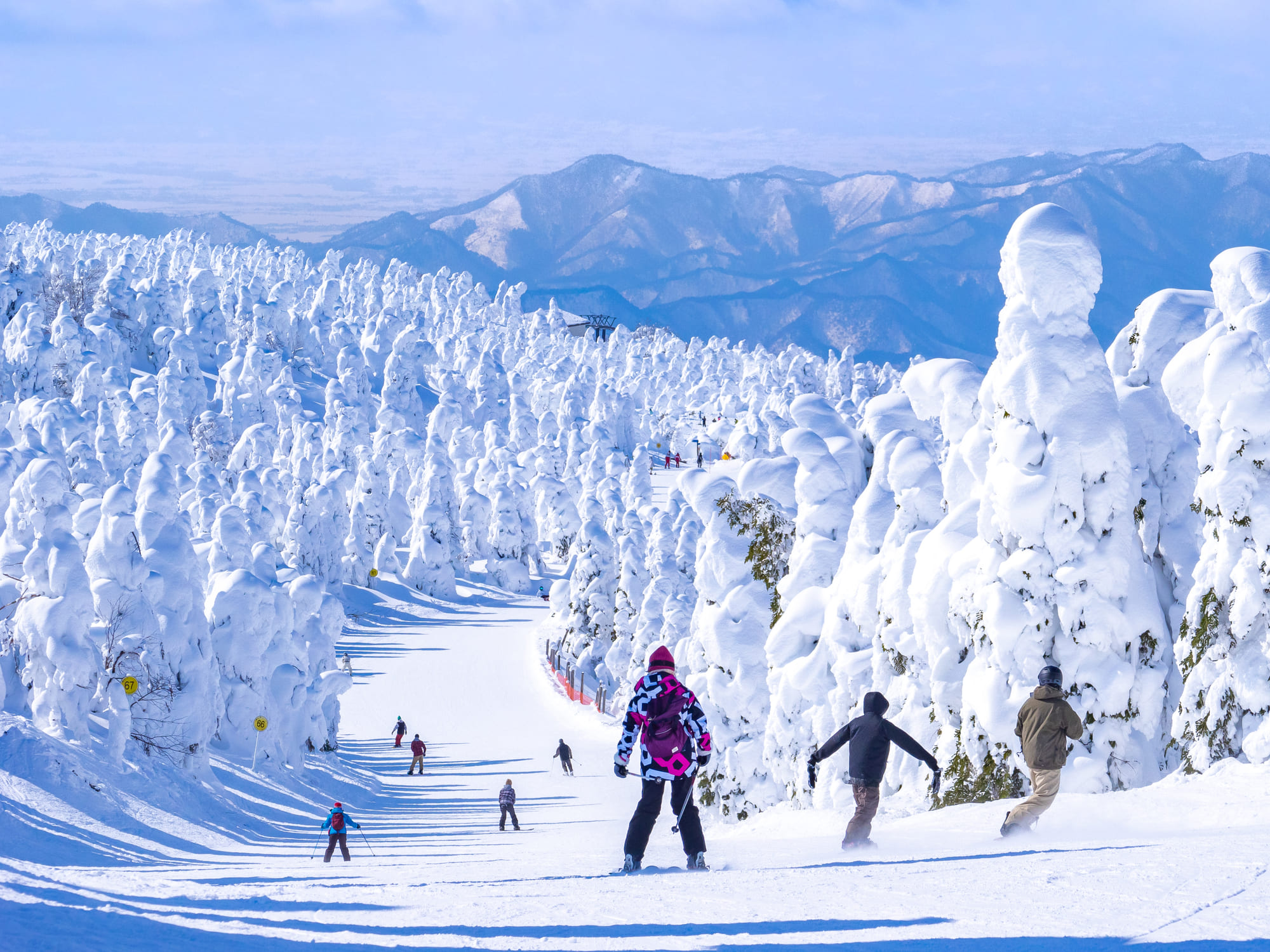
The resort is renowned for its juhyo, or snow monsters—frost-covered trees that create otherworldly winter landscapes at higher elevations. These spectacular ice formations typically appear from late January through February, best viewed via the Zao Ropeway that ascends to the summit area. The combination of excellent powder snow quality and the region's acidic sulfur hot springs (pH 1.2) creates a unique experience where visitors can ski all day before soaking in therapeutic onsen waters.
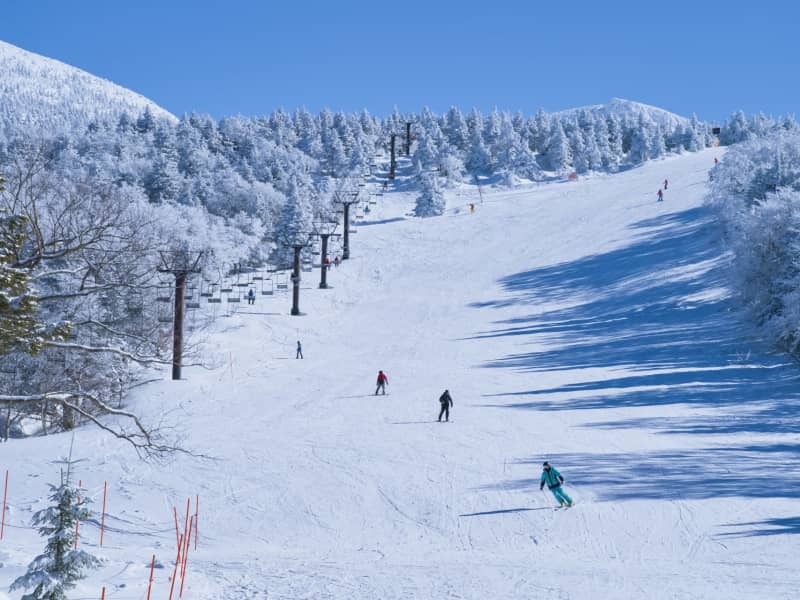

The resort's expansive layout includes multiple base areas connected throughout Zao Onsen village, with equipment rental facilities, restaurants, and ski schools available. While the size offers tremendous variety, navigating between different zones may require strategic planning as some lift connections involve traversing flat sections. The resort maintains operations throughout the winter season, with snow conditions remaining excellent even into spring at higher elevations.
Seasonal & Event Highlights
- Spring (April-May): Late-season skiing, lingering snowfields, fresh mountain greenery, and scattered sakura around lower elevations.
- Summer (June-August): Cool alpine weather, hiking trails to Mount Jizo [地蔵岳] and Mount Kumanodake [熊野岳], and vibrant mountain wildflowers.
- Autumn (September-October): Spectacular koyo (autumn foliage) transforms the volcanic landscape, with some of the best views accessible by ropeway.
- Winter (December-May): World-famous powder skiing, snowboarding, and the iconic juhyo snow monsters.
- Snow Monster Light-Up (Late December-February): Illuminated juhyo create one of Japan’s most surreal winter nightscapes.
- Zao Juhyo Festival (Late December-February): Seasonal events featuring snow monster illuminations, torch skiing, and occasional fireworks displays.
Before you go
There is no admission fee to enter Zao Onsen Ski Resort itself, but lift tickets are required for skiing and snowboarding. Recent full-day lift passes have been approximately ¥7,500-¥8,500 for adults during peak season, with discounted shoulder season rates available. Ski and snowboard rentals, ski schools, restaurants, and coin lockers are available throughout the resort. English support is available at major facilities, although it can be limited in smaller establishments. Weather conditions at the summit can change rapidly, so layered clothing, goggles, and proper winter gear are essential. Tripods are generally permitted for photography outdoors but should not obstruct ski traffic or ropeway facilities.
Zao Onsen Ski Resort generally operates from mid-December through early May, although exact opening and closing dates vary depending on snowfall conditions. Most lifts operate from approximately 8:15 AM to 5:00 PM, with selected areas offering night skiing during peak winter periods.
When to go
Winter is undoubtedly peak season at Zao Onsen Ski Resort, particularly from December through early March when powder snow blankets the slopes and the famous juhyo (snow monsters or frost-covered trees) are at their most spectacular. Early February stands out as the optimal time for witnessing these otherworldly ice formations in their full glory, though mid-to-late February also offers excellent conditions with slightly fewer crowds and maintained snow quality at higher elevations. Weekdays offer significantly better skiing conditions with minimal lift queues, while weekends see substantial increases in visitors, particularly at the gondola stations where wait times can extend to two hours on busy Saturdays. Arriving at opening time around 8:30 AM provides the freshest snow conditions and shortest lines, especially important if planning to access the summit areas via the central ropeway system.
Average crowd levels throughout the day, based on historical data.
Public review summary
Visitors consistently praise the resorts exceptional powder snow quality and diverse terrain suitable for all skill levels. The famous snow monsters and spacious slopes receive particular acclaim, though some note that lift connections can be challenging and weekend gondola queues lengthy. The combination of excellent skiing with nearby hot springs creates a highly satisfying experience that many describe as magical and worth returning to despite occasional poor weather conditions.
What you'll find here
Location & access
- DirectionsAddress
Zaoonsen, Yamagata, 990-2301, Japan
- How to get there
By Public Transportation:
From Tokyo, take the Yamagata Shinkansen to JR Yamagata Station, which takes approximately 2.5 to 3 hours. From Yamagata Station, frequent Yamako buses connect directly to Zao Onsen Bus Terminal in around 40 minutes. During winter, additional shuttle services may operate for visitors heading to the snow monster viewing areas.
By Car:
From the Yamagata Expressway, take the Yamagata-Zao IC and drive approximately 30 to 40 minutes to Zao Onsen. Several public parking areas are available throughout the village and near major ski base areas, although they can become crowded during weekends and holidays in peak season.
Common questions
What makes Zao Onsen Ski Resort special?
Zao Onsen Ski Resort is renowned for its spectacular juhyo or snow monsters - frost-covered trees that create a magical winter landscape. The resort offers diverse slopes for all skill levels, exceptional powder snow quality, and the unique combination of skiing with natural hot springs.
Can I rent ski equipment at Zao Onsen Ski Resort?
Yes, ski equipment and wear rental is available at facilities around the ropeway parking lot and at nearby accommodations. Ski sets typically cost around 3,300 yen. Many rental shops also offer complimentary clothing storage for visitors during their ski session.
How many lifts and ropeways does the resort have?
Zao Onsen Ski Resort features an extensive lift system with 3 ropeways including Zao Ropeway Sanroku Line and Sancho Line, 1 cable car called Zao Sky Cable, and 32 lifts comprising 4 quad lifts, 2 triple lifts, 24 pair lifts, and 2 single lifts to access various slopes.
What payment methods are accepted at Zao Onsen Ski Resort?
The resort accepts multiple payment options including credit cards, debit cards, and transit IC cards. These cashless payment methods are available at ticket counters, rental shops, and restaurants throughout the facility, making transactions convenient for visitors.
Is Zao Onsen Ski Resort suitable for families with children?
Yes, Zao Onsen Ski Resort is good for kids with wide beginner-friendly slopes and family amenities. The resort offers wheelchair accessible restrooms, on-site restaurants, and varied terrain that accommodates all skill levels, making it an excellent choice for family ski trips.
Bring this spot to life with a local photographer
Book a vetted local photographer who knows the best light, angles, and timing for this location.