

At a glance
The Hiroshima Peace Memorial Museum documents the atomic bombing through compelling exhibits, artifacts, and survivor testimonies. Located in central Hiroshima, this solemn institution preserves the memory of August 6, 1945, while promoting peace education and nuclear disarmament through authentic historical displays.
Photographs
Hiroshima Peace Memorial Museum
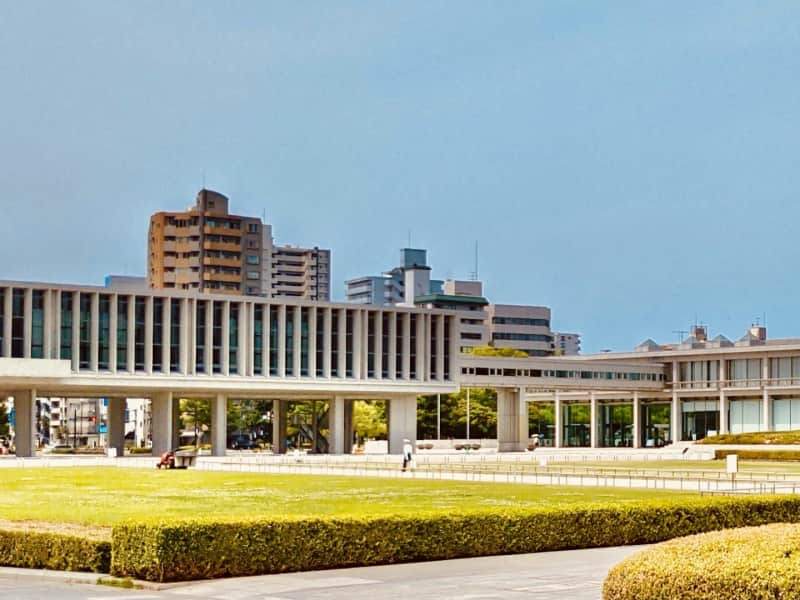
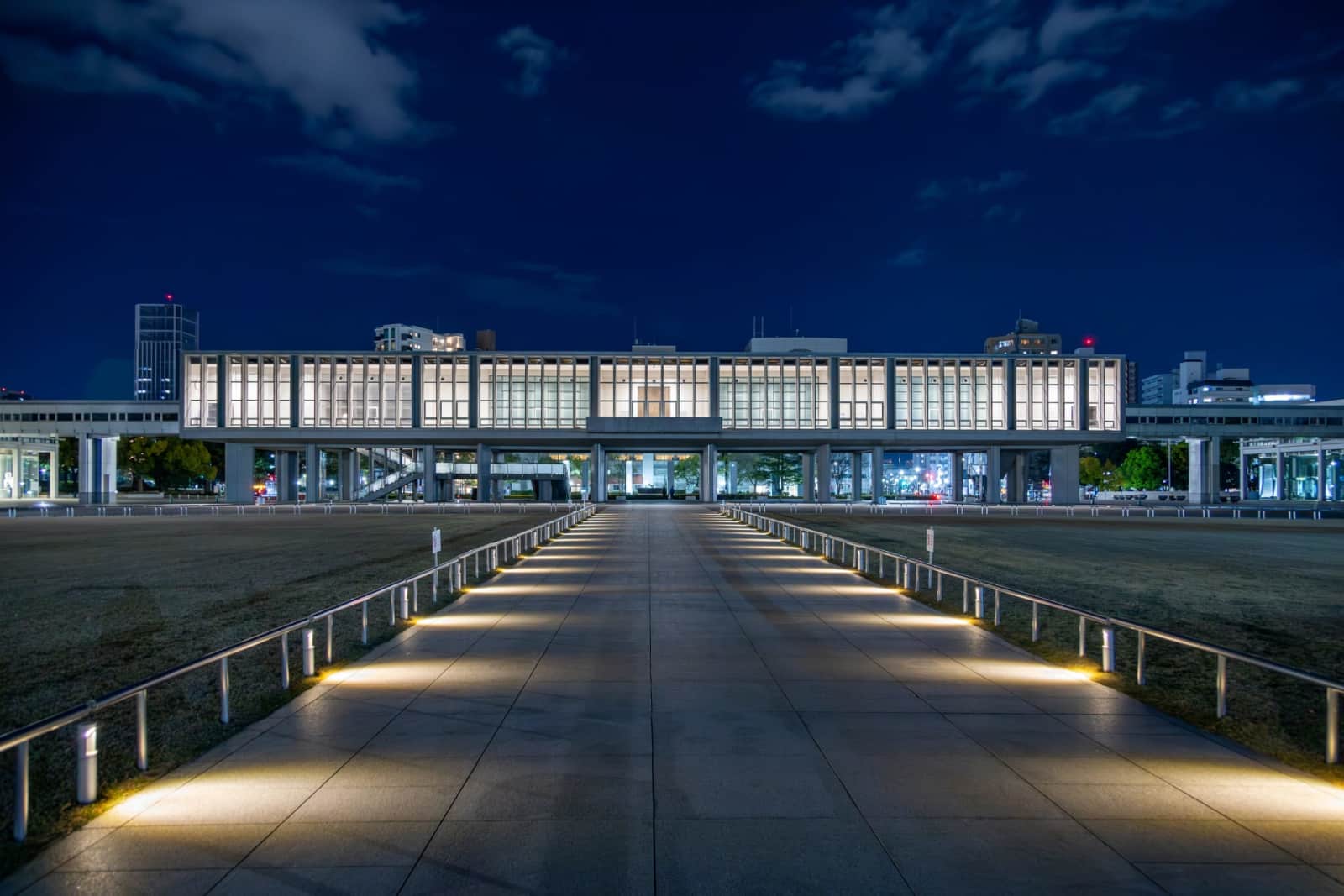
The Hiroshima Peace Memorial Museum unfolds its story through carefully layered spaces that guide you from pre-war Hiroshima, through the horror of August 6, 1945, into the ongoing message of peace and nuclear disarmament. Architect Kenzo Tange designed the building so the route itself carries meaning, as you move, you pass from ordinary life into tragedy, then into collective hope and recovery. Nestled within Hiroshima Peace Memorial Park, the museum stands in quiet dialogue with the nearby Atomic Bomb Dome, which remains visible through parts of the exhibition route, anchoring memory in the landscape.


Inside, the East Wing’s introductory section greets visitors with a multimedia presentation called “White Panorama”. It projects CG-generated cityscapes onto a white model, recreating the atomic blast in immersive detail and making the sudden destruction feel almost tangible. Nearby, interactive “media tables” let you explore Hiroshima’s before and after transformation and the development of nuclear weapons in touch screen depth.
The Main Building, reopened in April 2019 after seismic retrofitting and exhibition redesign, offers a somber but humane look at the bombing’s impact. Sections like “Reality of the Atomic Bombing” present personal artifacts, watches, clothing, lunchboxes, even a child’s tricycle, paired with tear stained stories and harrowing photographs that evoke grief and resilience. One unforgettable highlight is the “Human Shadow”, the etched outline of someone vaporized at a bank entrance, now encased in glass as a silent witness to the heat’s brutality.

On your return to the East Wing, you’ll encounter the “Dangers of Nuclear Weapons” and “Hiroshima History” sections. These focus on global nuclear threats, treaties, survivor chromosome displays, and the city’s reconstruction, a sobering transition into reflection and education. There’s also regular survivor testimony sessions, hosted in multiple languages, emphasizing the museum’s role as a living peace center.
Architecturally, the design supports this emotional journey. A newly widened corridor connects East and Main wings, and the building now rests on base isolation technology installed during the 2019 renovation to withstand future earthquakes while preserving safety and accessibility for all visitors.
Before you go
The museum is wheelchair accessible, with elevators and ramps throughout. Wear comfortable shoes—there’s walking inside and across the park. English signage is available, and audio guides cover many languages. Admission is 200 yen for adults, 100 yen for high school students, and free for younger children. Toilets and a café are located nearby. Staff are helpful; don’t hesitate to ask for assistance if needed.
The museum is open year‑round, typically from 8:30 AM to 6:00 PM, with last entry at 5:30 PM. In August (except Aug 5-6th), it stays open until about 7:00 PM; on A‑Bomb Day (August 5-6th), hours extend to 8:00 PM, with extended entry until 8:30 PM for those with reserved tickets. The museum is closed Dec 30-31 .
When to go
Spring and autumn offer the most contemplative atmosphere for visiting the Hiroshima Peace Memorial Museum, with comfortable temperatures and moderate crowds. The anniversary period in August brings special significance but also peak visitor numbers. Early morning visits between 8:00-9:30 AM provide the most serene experience, allowing time to reflect without crowds. Weekday mornings, particularly Tuesdays and Wednesdays, offer a quieter environment for a more personal experience.
Average crowd levels throughout the day, based on historical data.
Public review summary
Visitors generally report profound emotional impact and educational value from the museums exhibits, with particular appreciation for the personal artifacts and survivor testimonies. While the museum effectively conveys the gravity of atomic warfare through its exhibits, crowding during peak hours can detract from the contemplative atmosphere. Many note the museums balanced presentation, though some find certain areas too dark or difficult to navigate when busy.
What you'll find here
Location & access
- DirectionsAddress
1-2 Nakajimacho, Naka Ward, Hiroshima, 730-0811, Japan
- How to get there
By Public Transportation: From Hiroshima Station, take the tram (lines 2 or 6) heading toward Miyajima‑guchi or Eba, and get off at Genbaku Dome‑mae Station. The museum is a short 10‑minute walk through Peace Park .
By Car: Parking is limited in the area but coin-operated lots are scattered around the park. Plan for at least a 5‑minute walk to the entrance. Narrow streets and pedestrian zones suggest walking or public transport are preferred routes .
Common questions
What are the museum's operational hours throughout the year?
The Hiroshima Peace Memorial Museum has varying hours by season. From March to July, it opens 8:30-18:00, August 8:30-19:00 (extended to 20:00 on August 5-6), September to November 8:30-18:00, and December to February 8:30-17:00. Last entry is 30 minutes before closing.
Is photography allowed inside the museum?
Photography is permitted inside the Hiroshima Peace Memorial Museum for personal use without flash. The building is dimly lit, and flash photography is strictly prohibited. For publication purposes, prior application is required. Tripods and lighting equipment are not allowed during opening hours.
What accessibility features are available?
The museum offers comprehensive accessibility features including wheelchair-accessible entrances, parking lots, and restrooms. The facility is designed to accommodate visitors with mobility needs, making the exhibits and facilities accessible to all visitors.
Are children allowed to visit the museum?
While the museum is suitable for children and has changing tables available, parents should note that some exhibits contain graphic content about the atomic bombing. It's recommended to consider the maturity level of younger visitors before exploring certain areas.
Does the museum have any dates when it's closed?
The Hiroshima Peace Memorial Museum is closed on December 30th and 31st. The museum operates throughout the rest of the year, including most holidays, though hours may vary by season.
Bring this spot to life with a local photographer
Book a vetted local photographer who knows the best light, angles, and timing for this location.