

At a glance
A solemn memorial park in central Hiroshima dedicated to victims of the 1945 atomic bombing, featuring the iconic Atomic Bomb Dome, Peace Memorial Museum, and various monuments promoting world peace. Open 24/7 with wheelchair accessibility and public facilities.
Photographs
Hiroshima Peace Memorial Park
The Hiroshima Peace Memorial Park occupies the very ground that once lay at the city’s bustling core, now forever changed by the atomic blast of August 6, 1945. Designed in the early 1950s by architect Kenzō Tange, the park rises from the ruins of the Nakajima district, weaving together monuments, museum spaces, and open landscape into a cohesive message of remembrance and reconciliation. The iconic Atomic Bomb Dome stands preserved in its skeletal ruin, a haunting visual reminder of the bomb’s force and a UNESCO World Heritage symbol since 1996.


As you enter the park, the Memorial Cenotaph emerges, its arched form gracefully frames the Peace Flame and the dome beyond. Beneath the monument lies a vault holding the names of more than 300,000 victims of diverse nationalities, each listed as a human story lost. The epitaph inscribed on the cenotaph pairs empathy with ambiguity: “Let all the souls here rest in peace, for we shall not repeat the evil.”
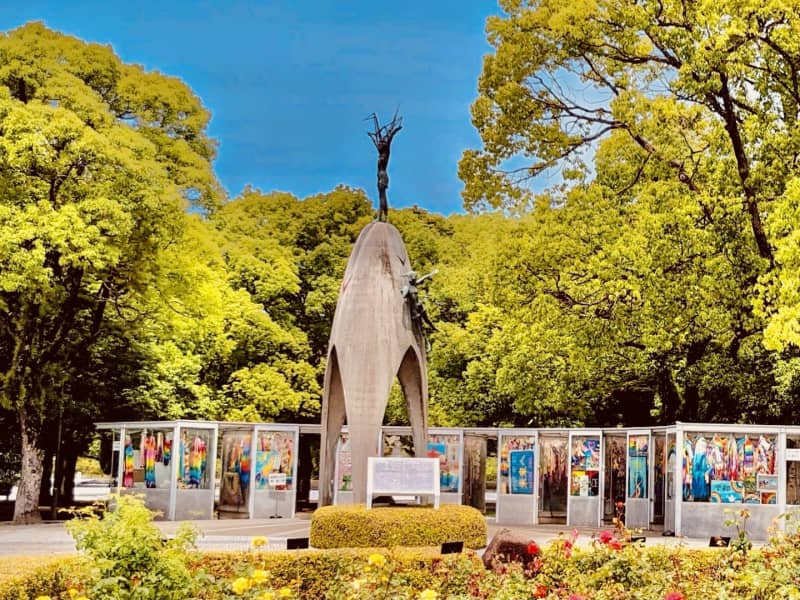
Nearby, the Children’s Peace Monument honors Sadako Sasaki and the tens of thousands of children who perished. A bronze figure of Sadako holding a paper crane crowns the statue, and visitors from around the world continue to offer origami cranes, visible in glass cases, a simple yet poignant expression of hope. The bell suspended nearby, adorned with a globe and inscriptions in Greek, Japanese, and Sanskrit, invites passersby to ring for world peace.
Deeper inside the park, the Atomic Bomb Burial Mound quietly holds the ashes of approximately 70,000 unidentified victims in a grassy knoll that speaks to collective loss. The nearby Memorial Tower to Mobilized Students and the Monument for Korean Victims reflect broader threads of suffering, from forced mobilization to colonial oppression, acknowledging the complexity and reach of wartime trauma.


The Peace Flame, a sculptural pair of hands open like a chalice cradling an eternal fire, has burned continuously since 1964. It will not go out until the day all nuclear weapons are abolished, the flame’s quiet presence a stark vow to the future. As the sun sets, the A‑Bomb Dome is subtly illuminated, standing in powerful contrast to the rebuilt city around it and casting a hushed silhouette that feels sacred even at twilight.
The Peace Memorial Museum, opened in 1955 and later expanded, is purpose-built to educate without sensationalism. The East Wing explores wartime Hiroshima and the global path to nuclear armament; the Main Building delivers visceral detail, showing personal belongings, clothing scorched by heat rays, and stories of suffering and survival.
Walking the tree-lined lanes beside the Motoyasu River, framed by lush greenery and quiet waters, the park invites visitors into both reflection and renewal. It’s not just a memorial, it’s a deliberate invitation to remember, to struggle with history, and to leave with a commitment to peace.
Before you go
The park itself is free to enter and open 24 hours a day. Entry to the Hiroshima Peace Memorial Museum costs 200 yen for adults, 100 yen for high school students, and free for junior high students and younger. The museum is wheelchair accessible, and the park paths are flat and easy to navigate. Restrooms, vending machines, and benches are available throughout the grounds. English signage is provided at all major monuments. Photography is generally allowed, but tripods are discouraged inside the museum and around crowded memorial areas.
The Hiroshima Peace Memorial Park is open year-round, 24 hours a day, with no holidays or closures. Visitors can walk through the grounds at any time, including early morning or late evening, making it accessible even outside regular sightseeing hours.
When to go
Spring and autumn offer the most comfortable weather for visiting Hiroshima Peace Memorial Park, with cherry blossoms creating a poignant backdrop in April. The park is particularly moving at dawn and dusk when soft lighting illuminates the Atomic Bomb Dome. Early mornings before 9 AM provide a serene atmosphere for reflection and photography. Weekday visits, especially Tuesday through Thursday, tend to be less crowded than weekends, allowing for a more contemplative experience.
Average crowd levels throughout the day, based on historical data.
Public review summary
Visitors consistently praise the parks powerful impact and peaceful atmosphere while noting its educational value. The well-maintained grounds and meaningful monuments create a deeply moving experience. Some mention limited shade during hot days and occasional crowding at peak times. The combination of historical significance and thoughtful presentation resonates strongly with guests, though a few note the emotional intensity of the experience.
What you'll find here
Location & access
- DirectionsAddress
Nakajimacho, Naka Ward, Hiroshima, 730-0811, Japan
- How to get there
By Public Transportation: Take the Hiroden streetcar to Genbaku Dome‑mae Station, which stops right in front of the park. The tram network connects directly to JR Hiroshima Station, the airport shuttle, and major city bus lines.
By Car: No parking in the park premises. Driving in downtown Hiroshima can be complex. Paid coin-operated parking is available nearby, look for signage near Hondōri or along Rijō‑dōri. The park is best accessed on foot from nearby streets due to limited direct parking inside.
Common questions
Is Hiroshima Peace Memorial Park free to enter?
Yes, Hiroshima Peace Memorial Park is completely free to enter and is open 24 hours a day. While the park itself has no admission fee, some facilities within the park, such as the museum, may have separate entrance fees.
What are the main memorials to see in the Peace Park?
Key memorials include the iconic Atomic Bomb Dome, the Children's Peace Monument inspired by Sadako Sasaki's story, the Peace Flame, and various other monuments dedicated to the victims. The park serves as a comprehensive memorial space for reflection and remembrance.
Is the Peace Memorial Park wheelchair accessible?
Yes, the park is fully wheelchair accessible with dedicated parking spaces and accessible entrances. The park's pathways are well-maintained and designed to accommodate visitors with mobility needs.
Can I bring my dog to the Peace Memorial Park?
Yes, dogs are allowed in Hiroshima Peace Memorial Park. However, as this is a solemn memorial site, visitors should ensure their pets are leashed and behave appropriately to maintain the respectful atmosphere.
Are there public restrooms available in the park?
Yes, public restrooms are available throughout Hiroshima Peace Memorial Park. The facilities are well-maintained and wheelchair accessible, making them convenient for all visitors exploring the grounds.

Bring this spot to life with a local photographer
Book a vetted local photographer who knows the best light, angles, and timing for this location.